
File photo
The edible oil industry requires a combination of high-quality raw material sourcing, advanced processing technology, stringent quality control, and robust supply chain management to be successful and compliant.
Here are the major requirements of the edible oil industry:
Take a training course
Obtaining training within your chosen industry is another way to get a feel for how a mustard oil producing company works before deciding to pursue a new venture.
Whatever approach you choose to familiarize yourself with the business, before going any further with your plans to open an edible oil producing company, make sure you understand:
*What skills are required to run the business (compare this with your own skills)
*What a typical week in the business is like (compare this with your personal or family life)
*What is the potential turnover of an edible oil producing company and the long-term growth prospects (compare this with your level of ambition)
*Your options once you decide to sell the business or retire (it's never too early to consider your exit)
Raw Material Sourcing and Management
Quality Oilseeds/Crude Oil: Ensuring a consistent supply of high-quality raw materials (e.g., soybeans, sunflower, rapeseed, palm) is crucial for yielding high-grade oil.
Storage Infrastructure: Adequate storage facilities are necessary to manage raw material inventory, including silos for seeds or tanks for crude oil, to prevent spoilage and ensure uninterrupted production.
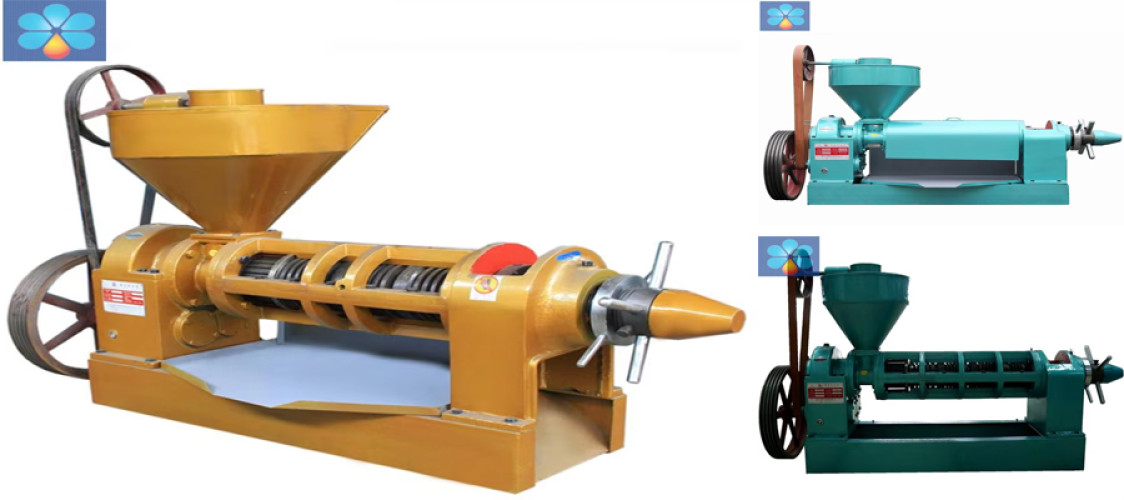
Processing and Manufacturing Equipment
Quality Control and Compliance
Quality control (QC) in edible oil production is a vital process that ensures the safety, purity, and shelf life of oils used in cooking and food preparation. This systematic approach safeguards consumer health, maintains product consistency, and upholds regulatory standards. This article explores the necessity of rigorous quality control, the methodologies employed, and its significant impact on the edible oil industry.
Food Safety Standards: Adherence to strict food safety management systems, with ISO 22000 being a foundational standard that integrates HACCP principles to manage risks across the supply chain, including production, storage, and transportation.
Regulatory Compliance: Meeting local and international food safety regulations regarding hygiene, impurities, and labeling.
Necessity of Quality Control in Edible Oil Production
Edible oils, such as olive, sunflower, and palm oil, are staples in global diets, requiring stringent quality control to ensure safety and performance. Contaminants like free fatty acids, peroxides, or pesticide residues can compromise oil safety, leading to health risks, while improper processing can reduce shelf life and affect taste. Quality control ensures that oils meet safety standards, maintain nutritional value, and deliver the expected sensory qualities, such as flavor and aroma. It also ensures compliance with international regulations, such as those set by the FDA and Codex Alimentarius, which are essential for market acceptance.
Packaging and Distribution
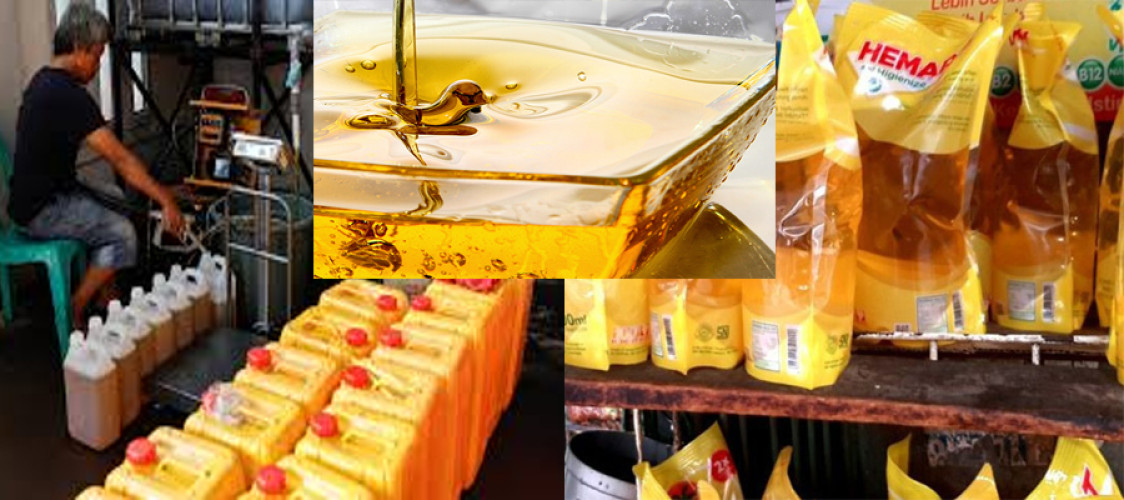
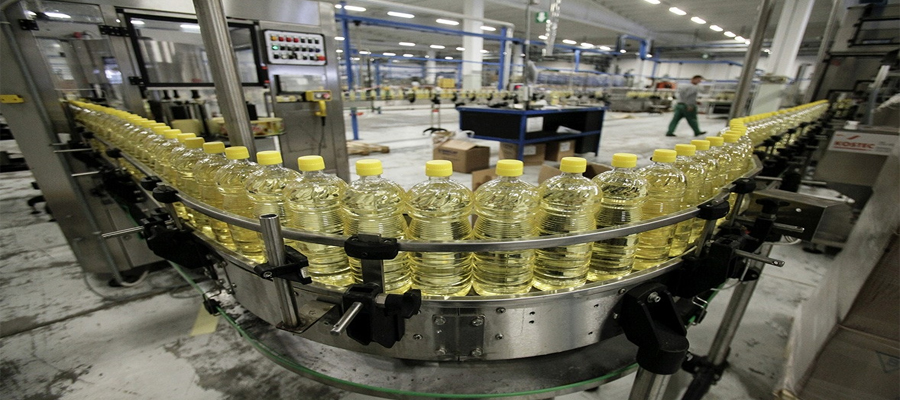
High-Quality Packaging: Utilizing advanced packaging technology to ensure the final product is sealed against oxidation, contamination, and spoilage, maintaining freshness and appeal.
Supply Chain Logistics: Managing the distribution network to ensure timely delivery and market availability, which is particularly critical given the high demand for oil during specific seasons.
Financial and Market Factors
Capital Investment: Significant investment is required for setting up production facilities, purchasing machinery, and sourcing raw materials.
Market Analysis and Strategy: Developing a solid business plan that includes understanding market demand, commodity price volatility, and developing a competitive marketing strategy.
Operational Efficiency: Optimizing energy consumption and lowering operational costs to achieve profitability in a competitive market.
Regulatory and Trade Stability
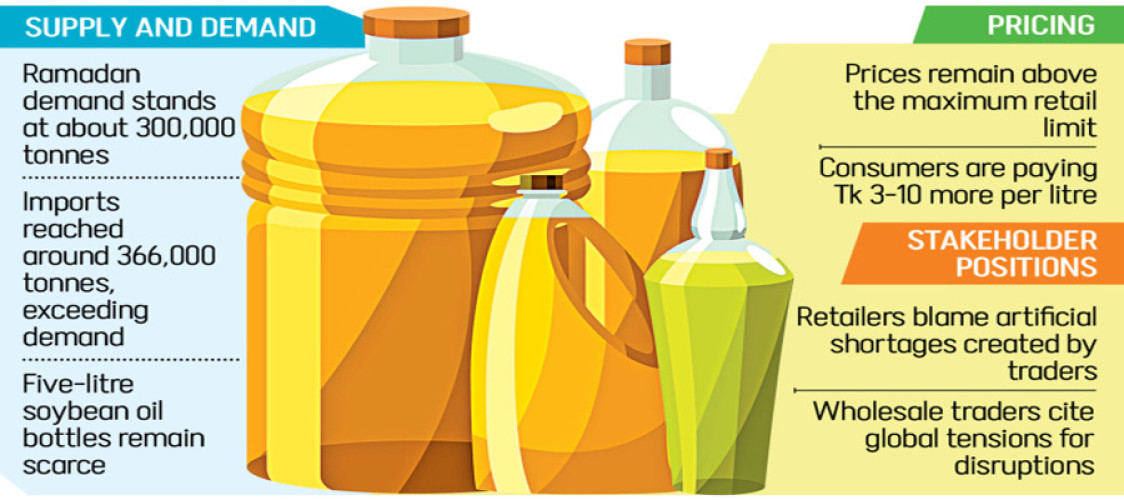
Regulatory and trade stability in the edible oil industry, particularly in import-dependent nations like Bangladesh and India, is currently characterized by high volatility, driven by global market disruptions, supply chain bottlenecks, and the urgent need for local regulatory reforms to curb price spikes.
Key Aspects of Regulatory & Trade Stability
Import Dependency & Volatility: Countries like Bangladesh face significant challenges, importing 18 lakh tones annually, primarily consisting of 46% soybean and 53% palm oil, which makes them highly vulnerable to international price fluctuations. India, the largest importer, is navigating market volatility by strengthening its domestic production with schemes like the National Mission on Edible Oils - Oil Palm (NMEO-OP).
Regulatory Interventions & Monitoring: Governments are actively intervening to prevent excessive profiteering and ensure supply stability. In India, the proposed "VOPPA Order, 2025" (Vegetable oil products production and availability) aims to mandate real-time data submission from processors and importers to monitor stock levels, according to the Food Ministry.
Trade Restrictions and Duties: To maintain stability, regulatory bodies use tools like export duties. For instance, the Bangladesh Tariff Commission has suggested a 25% duty on rice bran oil to restrict exports and increase local supply.
Global Shocks and Supply Chain: The ongoing tensions in the Middle East have disrupted supply lines and boosted freight costs, affecting the import prices of crude palm and soybean oil.
Trade Policies: Effective, consistent government-business dialogue is necessary to manage import risks and price adjustments to avoid massive losses during times of high volatility.
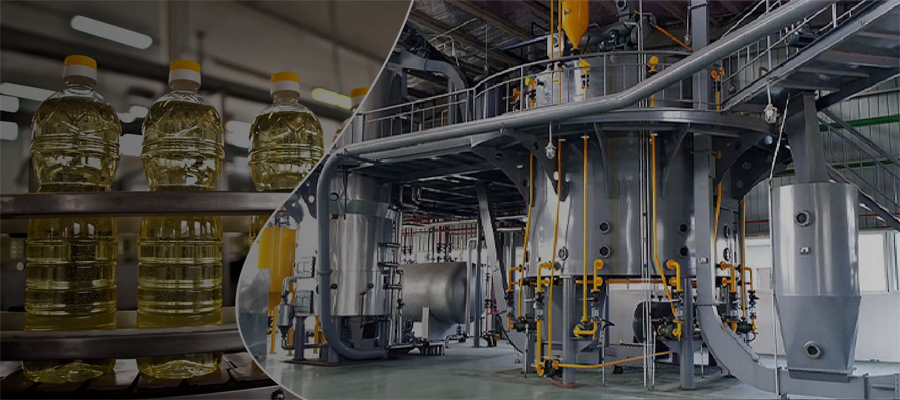
For setting up an edible oil production line, it is essential to align the process design, equipment configuration, and production scale with the specific characteristics of the raw materials to achieve high oil yield and low energy consumption.
-SZK, based on online information





















Copyright © 2026 Oil & Fat Expo. All Rights Reserved.
Website Design & Development ♡ MY SOFT IT
 EN
EN
 Chinese
 Turkish
 Indonesian
 German
 French
 Spanish
 Portuguese
 Russian
 Italian