Photo: Collected
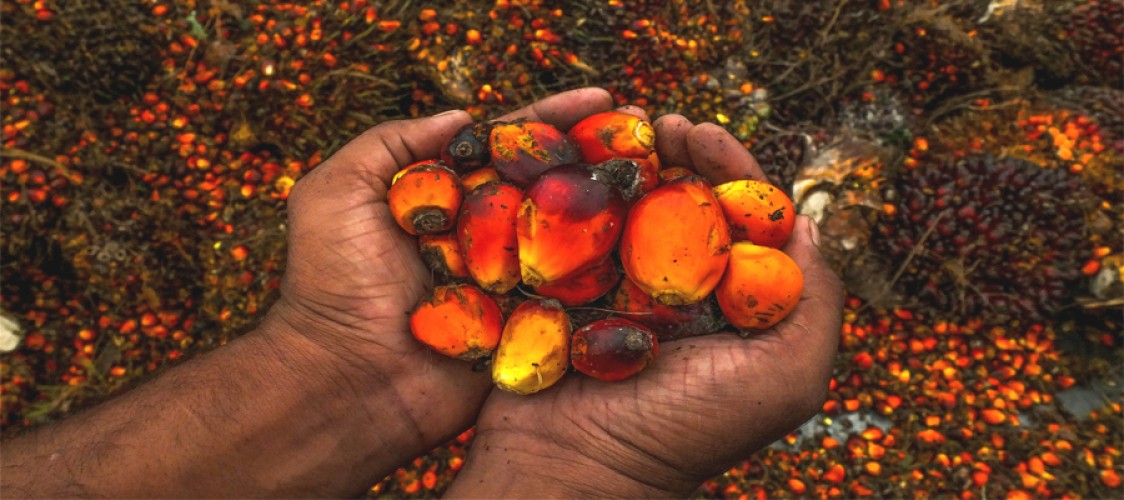
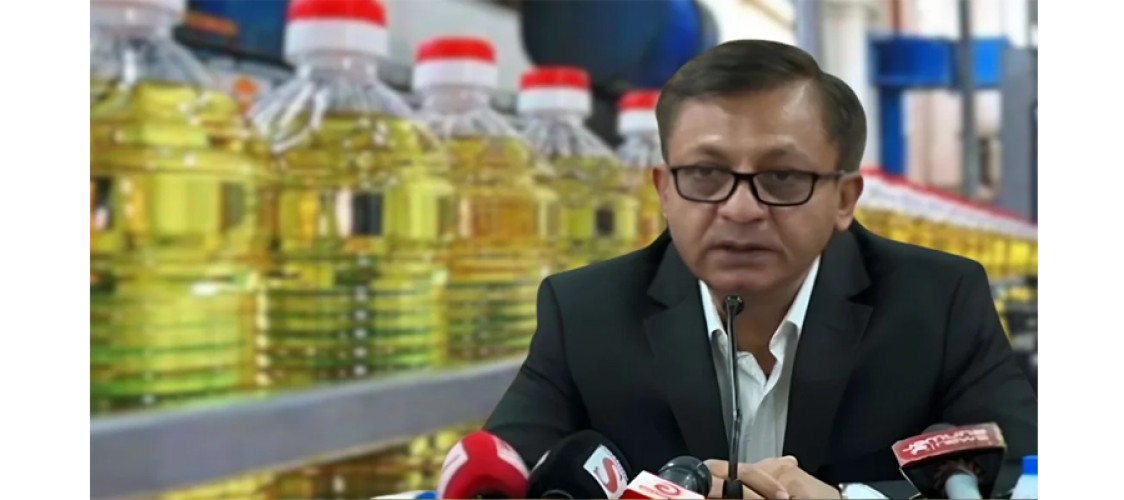
Prime Minister Narendra Modi’s recent appeal urging citizens to reduce vegetable oil consumption has drawn fresh attention to India’s heavy dependence on imported edible oils. India currently imports nearly 15 to 16 million tonnes of edible oil annually, spending around Rs 1.61 lakh crore every year. Experts say this dependence has become a major economic concern despite the country’s vast agricultural base.
Why India produces less edible oil
According to International Crops Research Institute for the Semi-Arid Tropics Director General Dr Himanshu Pathak, Indian farmers often avoid oilseed cultivation because the crops are considered risky and less secure compared to rice and wheat.
He explained that erratic rainfall, pest attacks, unstable market prices and weaker policy support discourage farmers from growing oilseeds such as soybean, sunflower and mustard. Unlike rice and wheat, oilseed crops do not benefit from equally strong procurement systems or government incentives.
Policy imbalance affected farmer choices
Experts say decades of policy support for rice and wheat, including minimum support prices, free electricity and assured procurement, shaped farming patterns in states like Punjab and Haryana.
Oilseed crops were often pushed to marginal lands with poor irrigation and low soil fertility, resulting in lower productivity. Dr Pathak noted that while oilseeds may offer better long-term economic value, farmers continue preferring safer crops backed by government support.
Government pushes self-reliance mission
To reduce imports, the government launched the National Mission on Edible Oilseeds, which aims to increase domestic oilseed production from 39 million tonnes in 2022-23 to nearly 69.7 million tonnes by 2030-31.
The mission focuses on better seeds, improved technology, expanded cultivation and stronger farmer support systems. Officials say improving domestic edible oil production would reduce import dependence, save foreign exchange and protect India from global price shocks.
Better seeds and research offer hope
Agricultural researchers say newer oilseed varieties are now more resistant to pests, diseases and climate stress compared to earlier generations. Experts believe consistent policy support and improved seed quality could help India gradually become self-reliant in edible oils.
You can learn about South Asia's largest
exhibition on this topic through this link: https://oilsfatsasia.com/
Source: Online/OFA























Copyright © 2026 LIMRA Exhibitions. All Rights Reserved.
Website Design & Development ♡ MY SOFT IT
 EN
EN
 Chinese
 Turkish
 Indonesian
 German
 French
 Spanish
 Portuguese
 Russian
 Italian