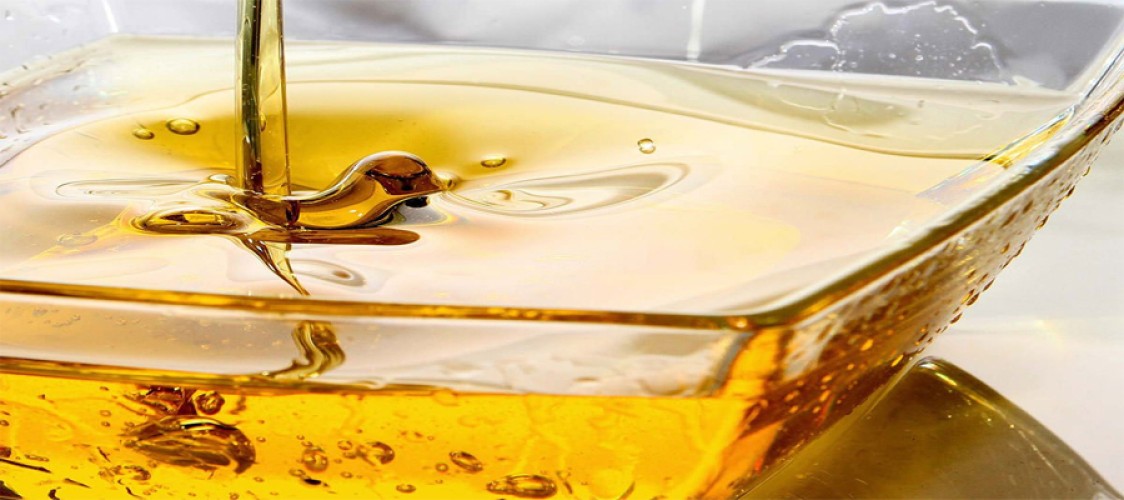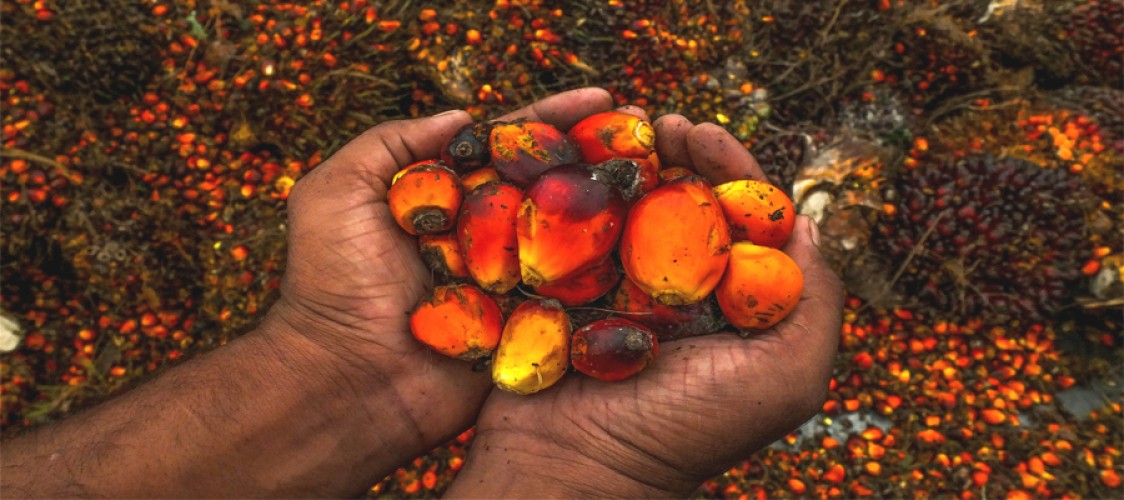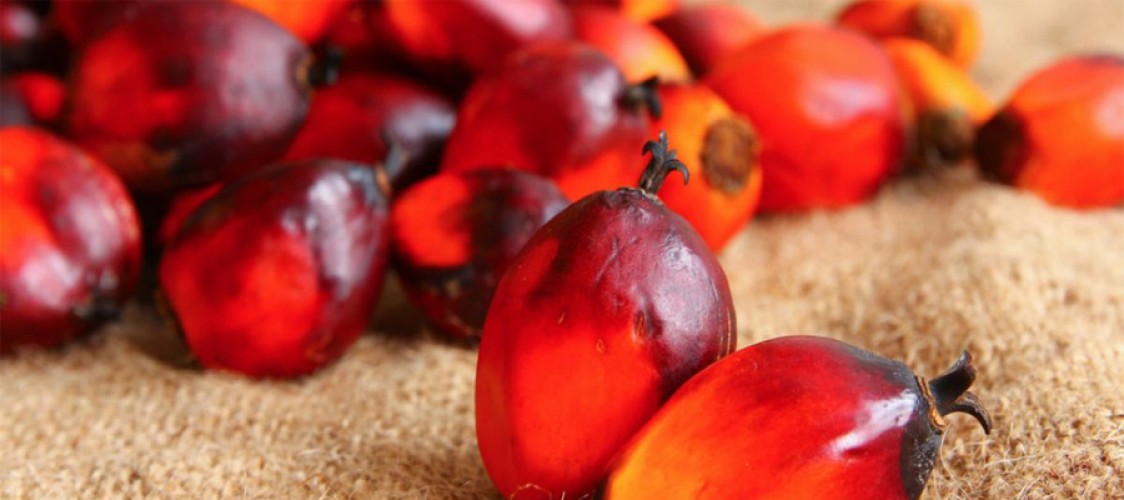
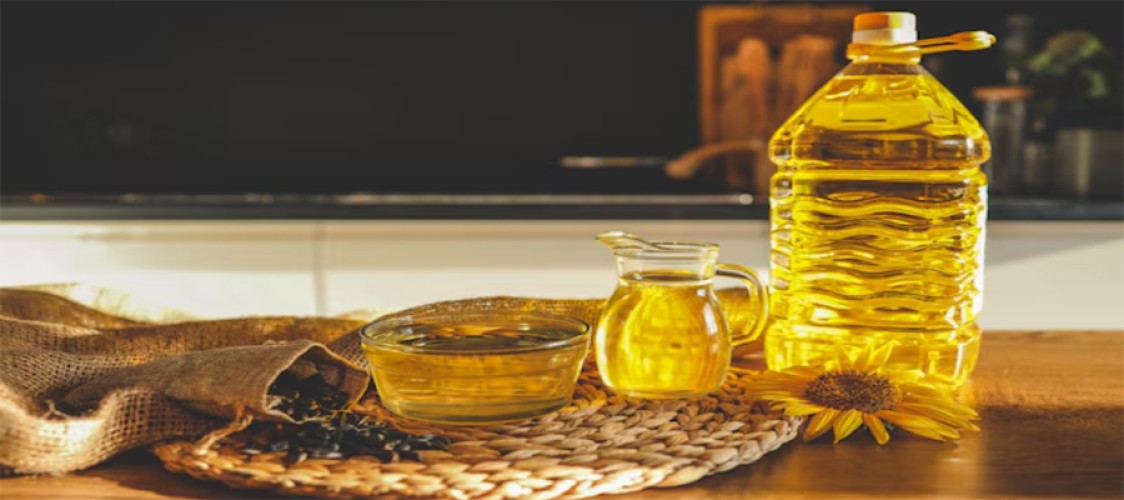
Refined oil or fat helps the body to provide energy, produce hormones and absorb vitamins (A, D, E, K). However, excess or processed oil increases the risk of weight gain, heart disease and high blood pressure.
Many people are suddenly becoming extra health conscious. They are regularly going to the gym and sweating for hours. Along with this, they are making diet charts for themselves without any expert advice. They are even taking various supplements. And then they are starting their own 'expert commentary' on social media.
According to some such so-called intellectuals, oil is the root of all evil. Eating oil will lead to multiple minor and major diseases! That is why they are advising everyone to stop eating oil completely. And as soon as they hear such advice, many people blindly accept it. They are making a hasty decision here and there, without considering anything. And that is how the danger trap is widening!
Desi cooking means the dominance of oil and salt. Whether it is rice, pulses, fish or vegetables, many people do not get the right taste without adding a little oil or ghee. Again, if it is fried, it is not worth it, if it is not dipped in oil, it will not satisfy the mind. But health experts have repeatedly warned that it is important to have a limit on oil consumption.
According to experts, an average of 3 to 5 teaspoons (about 15 to 25 milliliters) of oil per day is enough for a healthy adult. Eating more than this can be harmful to the body. For those who are overweight or have heart disease, this amount is even less, that is, it is better not to eat more than 2 teaspoons.
Doctors advise that the total amount of oil in daily cooking should not exceed 5 teaspoons. No matter what type of food is cooked, this limit should be maintained. According to calculations, 1 teaspoon contains about 5 grams of oil. Therefore, the body can usually tolerate 4-5 teaspoons of oil per day. It is better to keep it between 500 and 600 milliliters of oil per month.
Experts also say that fat is found in food not only from oil, but also from foods like milk, fish, meat and nuts. According to the guidelines of the World Health Organization (WHO) and the Food Safety and Standards Authority of India (FSSAI), 25 to 35 percent of daily calories should come from fat. Therefore, it is safe not to use excess oil in cooking.
The amount of oil needs to be reduced further depending on the physical condition. For example, if you have heart disease, it is better not to consume more than 2 to 3 teaspoons of oil a day and butter or ghee should also be avoided. If you are overweight, it is safe to use 2 teaspoons or less of oil, and it is also advised to eat more steamed or grilled foods. If you have high cholesterol or triglycerides, oil should be limited to 2 teaspoons initially, and mustard or sesame oil is considered relatively good.
For diabetic patients, it is better not to consume more than 3 to 4 teaspoons of oil while maintaining a balance between carbohydrates and fats. Experts have also given some simple suggestions to reduce oil in cooking. For example, using a spoon instead of pouring oil directly from the bottle, using a non-stick pan, using a little water or yogurt while grinding spices, and cooking with light oil in an air fryer or oven instead of deep frying.
Therefore, using oil in moderation, rather than completely eliminating it, can be the key to a healthy life.
You can learn about South Asia's
largest exhibition on this topic through this link: https://oilsfatsasia.com/
-SZK























Copyright © 2026 LIMRA Exhibitions. All Rights Reserved.
Website Design & Development ♡ MY SOFT IT
 EN
EN
 Chinese
 Turkish
 Indonesian
 German
 French
 Spanish
 Portuguese
 Russian
 Italian