File photo
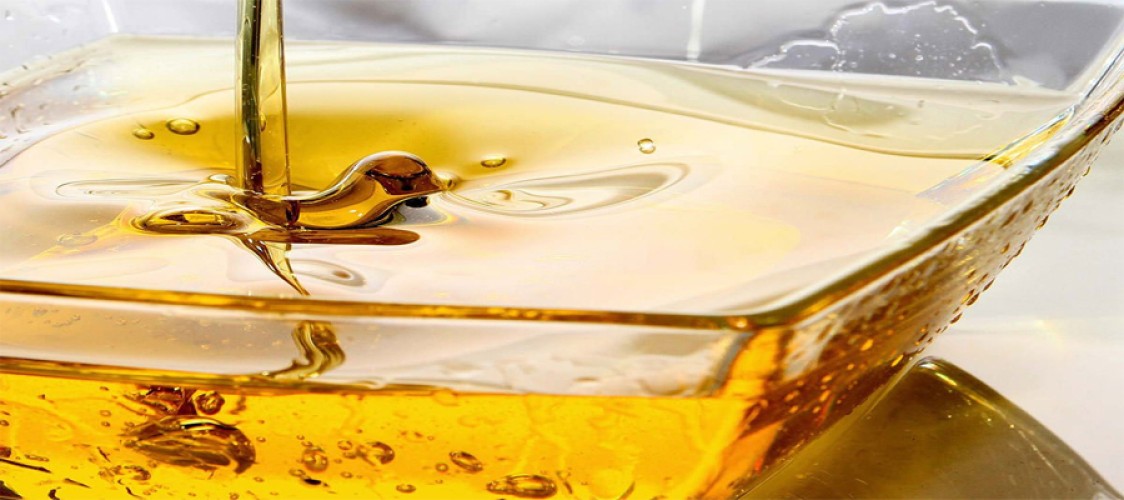
Research has shown that open soybean oil contains significantly more microplastics than bottled oil
Soybean oil sold in Bangladesh contains alarming levels of microplastic contamination, with researchers detecting an average of nearly 54,000 plastic particles per liter in both branded and loose varieties, according to a new study.
The findings, published in the April 2026 issue of the peer-reviewed Journal of Food Composition and Analysis, raise fresh concerns about food safety and the long-term public health impacts of microplastic exposure.
The study, conducted jointly by researchers from Jahangirnagar University (JU) and Bangladesh University of Professionals (BUP), found that loose soybean oil contains significantly higher levels of microplastics than bottled oil.
Researchers say it is the first scientific investigation into microplastic contamination in edible oil in Bangladesh and the first globally to identify polyurethane (PU) and nylon microplastics in edible oil.
The researchers found an average of 53,922 (±10,510) microplastic particles per liter in soybean oil samples collected from markets in Dhaka.
Loose soybean oil contained an average of 59,778 particles per liter, compared with 48,067 particles in bottled oil, making contamination in loose oil about 1.24 times higher.
The highest contamination level was recorded in a loose oil sample collected from Tejgaon, where researchers detected 70,467 microplastic particles per liter.
The researchers believe the higher contamination may be linked to Tejgaon's concentration of plastic and textile industries, airborne synthetic fibers, repeated use of plastic storage containers, and exposure to open environments during storage and sale.
How the study was conducted
The researchers collected 60 one-liter soybean oil samples comprising three branded (bottled) and three non-branded (loose) varieties from supermarkets and open markets in Tejgaon, Uttara, and Dhaka Cantonment.
The samples were divided into six categories. Ten samples from each category were combined into a composite sample, producing six composite samples for laboratory analysis.
Each composite sample was analyzed three times using solvent dilution, stereo microscopy, Fourier Transform Infrared Spectroscopy (FTIR), and Scanning Electron Microscopy (SEM) to ensure the accuracy and reliability of the findings.
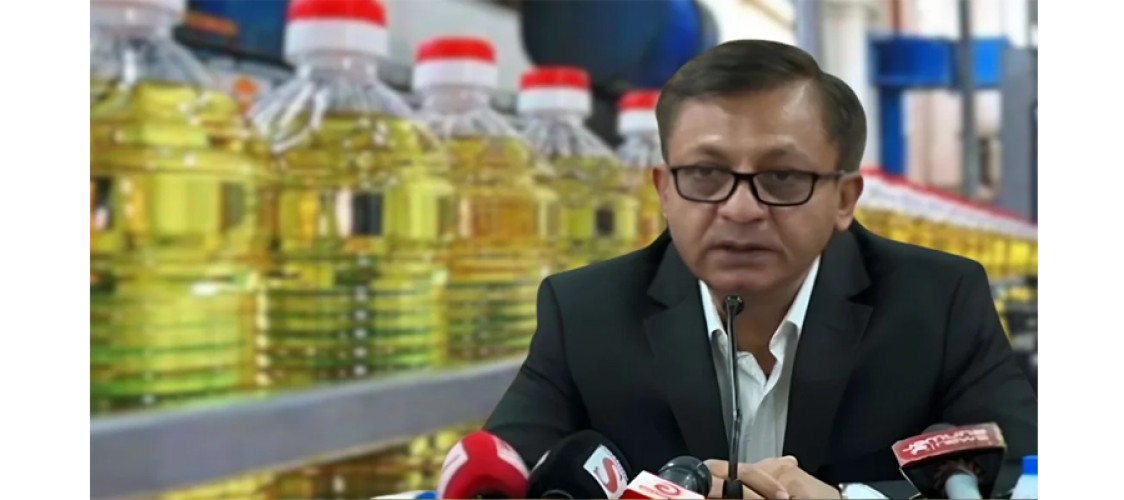
Lead researcher Prof Shafi Mohammad Tareq of JU's Department of Environmental Sciences told Dhaka Tribune that the team analyzed both branded and loose soybean oil available in Dhaka's markets.
"Our analysis found thousands of microplastic particles per liter in both types of oil, with fibers and fragments accounting for the majority of the contamination," he said.
Six types of plastic identified
The study identified six polymer types in the oil samples: low-density polyethylene (LDPE), high-density polyethylene (HDPE), polypropylene (PP), polyethylene terephthalate (PET), polyurethane (PU), and nylon.
The detection of polyurethane and nylon is particularly significant, as the researchers say these polymers have never before been reported in edible oil.
They believe polyurethane may originate from industrial coatings and adhesives, while nylon could enter oil through filters, nets, or manufacturing equipment.
More than 82% of the detected microplastics were fibers, while fragments accounted for nearly 10%. Transparent particles were the most common, representing more than 56% of the total. Most particles measured between 101 and 500 micrometers. See more.
You can learn about South Asia's
largest exhibition on this topic through this link: https://oilsfatsasia.com/
Source: Online/OFA


















Copyright © 2026 LIMRA Exhibitions. All Rights Reserved.
Website Design & Development ♡ MY SOFT IT
 EN
EN
 Chinese
 Turkish
 Indonesian
 German
 French
 Spanish
 Portuguese
 Russian
 Italian