 EN
EN
 Chinese
 Turkish
 Indonesian
 German
 French
 Spanish
 Portuguese
 Russian
 Italian

Why Bangladesh is the Next Growth Market for Edible Oils in South Asia
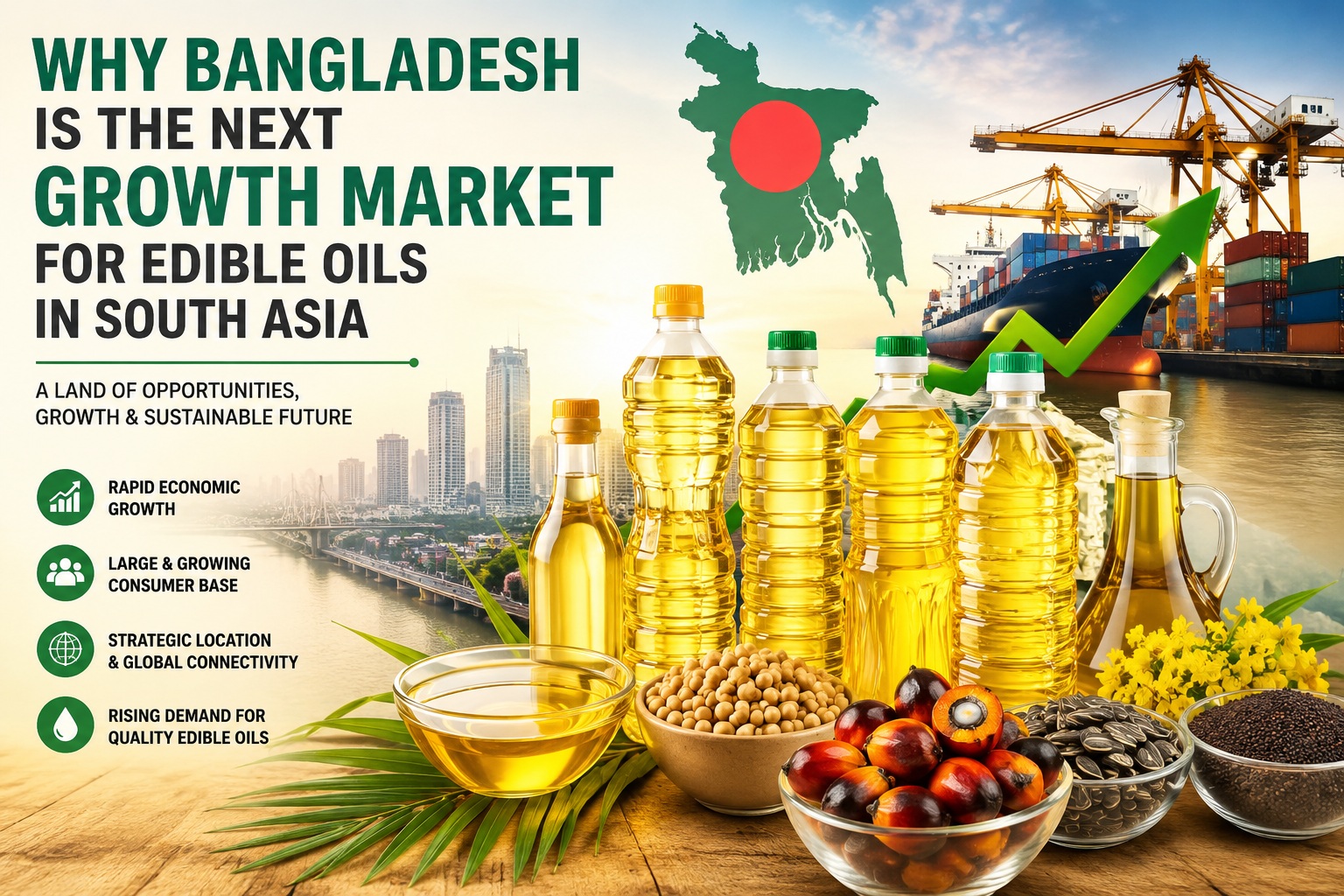
In recent years, Bangladesh has emerged as one of the most promising edible oil markets in South Asia. Driven by strong economic growth, a rapidly expanding middle class, increasing urbanization, and rising demand for processed foods, the country's edible oil industry is experiencing significant transformation. For global edible oil producers, exporters, refiners, technology providers, and investors, Bangladesh represents a market filled with long-term opportunities and sustainable growth potential.
With a population of more than 170 million people, Bangladesh is one of the largest consumer markets in South Asia. The country's growing population, combined with changing dietary habits and rising purchasing power, continues to increase demand for edible oils and fats. From household cooking to food manufacturing, bakery production, restaurants, hotels, and catering services, edible oils play a crucial role across the entire food value chain. As a result, the edible oil industry has become an essential component of Bangladesh's economy and food security system.
Over the past two decades, Bangladesh has maintained one of the highest economic growth rates in the region. The country's remarkable progress in industrialization, exports, infrastructure development, and consumer spending has created favorable conditions for the expansion of food-related industries. As household incomes continue to rise, consumers are shifting from traditional purchasing patterns toward higher-quality, branded, and packaged food products. This trend is particularly evident in the edible oil sector, where demand for refined and branded oils has increased substantially.
One of the key factors driving the growth of Bangladesh's edible oil market is its large and expanding consumer base. Every year, millions of consumers enter the middle-income segment, increasing demand for quality food products. Urbanization is also reshaping consumption patterns, with more people relying on packaged foods, convenience foods, and restaurant dining. These lifestyle changes have contributed significantly to the growth of edible oil consumption throughout the country.
The edible oil market in Bangladesh is characterized by strong and consistent demand. Cooking oil is considered an essential household commodity, ensuring year-round consumption regardless of economic fluctuations. This stability makes the sector highly attractive for investors and international suppliers looking for reliable growth opportunities. As food consumption continues to increase, the demand for edible oils is expected to rise steadily over the coming years.

A major characteristic of Bangladesh's edible oil industry is its heavy dependence on imports. The country imports a substantial portion of its edible oil requirements and raw materials from international markets. Domestic production alone is insufficient to meet national demand, creating ongoing opportunities for global suppliers and exporters. Major import sources include Indonesia, Malaysia, Argentina, Brazil, and the United States. This import-driven structure ensures that Bangladesh remains closely connected to global edible oil trade networks.
Palm oil remains one of the most widely consumed edible oils in Bangladesh. Due to its affordability, versatility, and extensive industrial applications, palm oil is used across multiple sectors of the economy. In addition to household cooking, it is widely utilized in food processing, bakery products, confectionery manufacturing, instant noodles, snacks, and restaurant operations. As Bangladesh's food manufacturing sector continues to expand, demand for palm oil is expected to remain strong for many years to come.
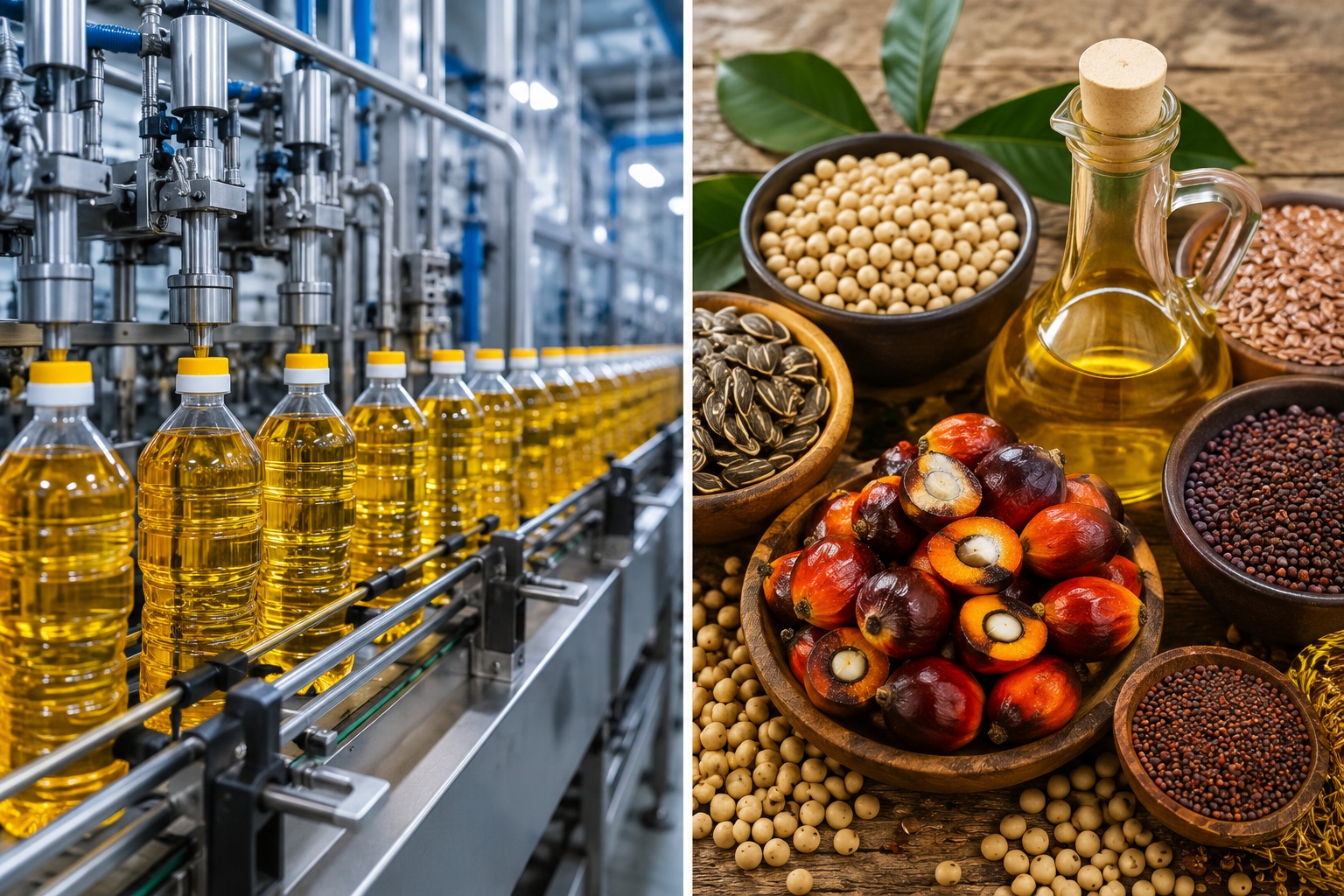
For international palm oil producers, Bangladesh represents a strategic market with significant long-term potential. The country's growing population and food processing industry create a stable demand environment that supports continued imports and trade partnerships. Furthermore, increasing industrial consumption of palm oil offers additional opportunities for suppliers seeking to expand their market presence in South Asia.
Alongside palm oil, soybean oil has established itself as one of the most important edible oils in Bangladesh. Many households prefer soybean oil for daily cooking, while food manufacturers also rely on it for a variety of applications. The popularity of soybean oil has been strengthened by growing health awareness, improved packaging standards, and strong brand recognition among consumers. As modern retail chains, supermarkets, and e-commerce platforms continue to grow, access to branded soybean oil products is becoming easier for consumers across the country.
The rapid growth of Bangladesh's food processing industry is another major factor supporting edible oil market expansion. Food processing has become one of the country's fastest-growing industrial sectors, encompassing bakery products, dairy products, frozen foods, snacks, beverages, ready-to-eat meals, and confectionery items. Edible oils are essential ingredients in many of these products, making the industry's growth directly linked to increased oil consumption.
As local and international food brands expand their manufacturing operations in Bangladesh, demand for edible oils, specialty fats, shortening products, and food ingredients is expected to increase significantly. The country's growing consumer market provides food manufacturers with strong incentives to invest in production capacity, which in turn drives demand throughout the edible oil value chain.
Another emerging trend in Bangladesh is the growing demand for healthier edible oil alternatives. Consumers are becoming increasingly aware of nutrition, wellness, and lifestyle-related health concerns. This shift is creating opportunities for products such as rice bran oil, sunflower oil, mustard oil, olive oil, and blended oils. Although these segments currently represent a smaller portion of the market, they are experiencing faster growth than traditional categories in many urban areas.
Health-conscious consumers are seeking products with nutritional benefits, lower cholesterol content, and improved cooking performance. This trend is encouraging manufacturers to diversify their product portfolios and introduce premium oil products to meet changing consumer preferences. As awareness continues to grow, the market for specialty and value-added edible oils is expected to expand further.
Investment opportunities within Bangladesh's edible oil industry extend far beyond product imports and distribution. Significant potential exists in refining, storage, logistics, packaging, processing technology, and quality control systems. Modern refining facilities are increasingly required to meet growing domestic demand and maintain international quality standards. Investment in advanced refining technologies can improve efficiency, reduce costs, and enhance product quality.
Storage infrastructure also represents a major area of opportunity. As import volumes increase, demand for bulk storage terminals, tank farms, and warehousing facilities continues to rise. Efficient storage systems are critical for maintaining supply chain stability and ensuring uninterrupted product availability throughout the year.
The packaging sector is another important growth area. Consumer demand for safe, convenient, and sustainable packaging solutions is increasing across the food industry. Manufacturers are investing in modern packaging technologies, PET bottle production, flexible packaging materials, labeling systems, and environmentally friendly solutions. Companies specializing in packaging equipment and materials can find substantial opportunities in Bangladesh's expanding market.
Logistics and supply chain management are equally important components of the industry's growth. Efficient transportation, distribution networks, and inventory management systems help ensure that edible oil products reach consumers across the country. As market demand expands, investments in logistics infrastructure and technology will become increasingly important.
Bangladesh's strategic geographic location further strengthens its position as a leading edible oil market in South Asia. Situated between South Asia and Southeast Asia, the country serves as a natural gateway for regional trade. Its proximity to major palm oil-producing nations such as Indonesia and Malaysia provides logistical advantages for importers and exporters. The continued development of ports, transportation infrastructure, and trade facilities enhances Bangladesh's attractiveness as a regional business hub.
The country's industrial modernization efforts are also contributing to the development of the edible oil sector. Companies are increasingly adopting advanced production technologies, automated systems, digital monitoring tools, and international food safety standards. These improvements help enhance operational efficiency, improve product consistency, and strengthen consumer confidence in branded edible oil products.
Government support and private sector initiatives have played important roles in creating a favorable business environment. Regulatory improvements, investment incentives, and infrastructure development projects continue to support industrial growth across multiple sectors, including food manufacturing and edible oils. As the economy expands, these supportive policies are expected to encourage further domestic and foreign investment.
Digital transformation is also reshaping the edible oil industry. Data-driven decision-making, automated quality control, supply chain optimization, and digital marketing strategies are helping companies improve competitiveness and respond more effectively to changing consumer demands. Technology providers offering solutions for manufacturing automation, traceability, quality assurance, and supply chain management will find increasing opportunities in the Bangladesh market.
In addition to market growth, Bangladesh has become an important destination for international industry networking and business development. Trade exhibitions, conferences, and industry events provide valuable platforms for manufacturers, suppliers, investors, and policymakers to connect and explore new opportunities. These events facilitate knowledge exchange, technology transfer, and strategic partnerships that contribute to the industry's continued development.
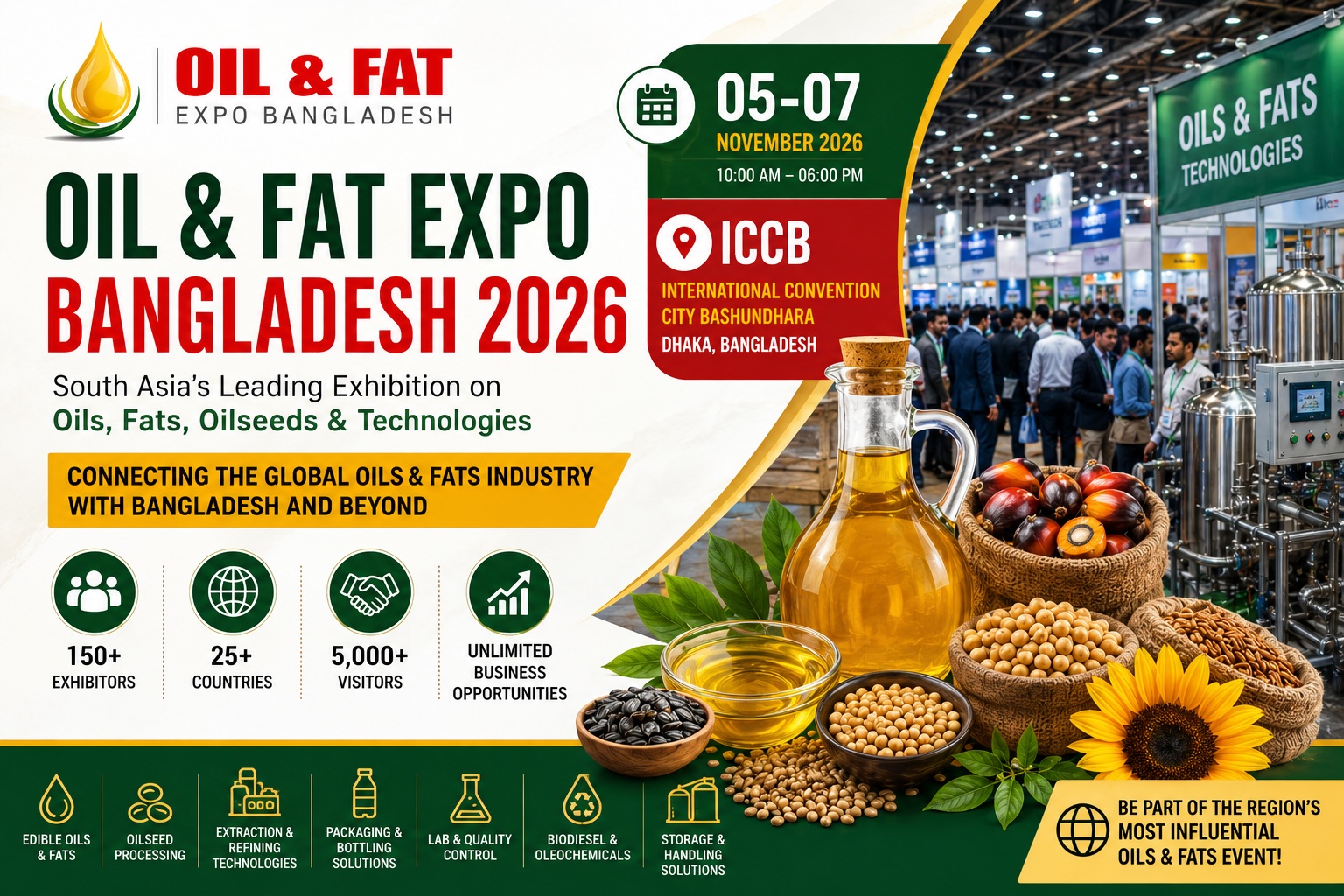
One of the most important platforms serving the industry is Oil & Fat Bangladesh, a specialized international exhibition dedicated to edible oils, fats, oil processing technologies, food ingredients, packaging solutions, and related industries. The exhibition brings together global suppliers, manufacturers, importers, distributors, technology providers, and industry professionals under one roof, creating opportunities for business expansion and market development.
For companies seeking to enter or strengthen their presence in Bangladesh, participating in industry exhibitions offers direct access to key decision-makers, buyers, and business partners. Such events provide valuable insights into market trends, consumer preferences, technological innovations, and investment opportunities.
Looking ahead, the future of Bangladesh's edible oil industry appears exceptionally promising. Rising incomes, population growth, urbanization, changing lifestyles, and expanding food manufacturing activities will continue to drive demand across the market. At the same time, increasing health awareness and demand for premium products will create new opportunities for innovation and product diversification.
The combination of strong consumer demand, import dependency, strategic location, industrial growth, and investment potential makes Bangladesh one of the most attractive edible oil markets in South Asia today. Companies that establish a presence in the market now will be well-positioned to benefit from future growth and secure a competitive advantage in one of the region's fastest-growing economies.
As South Asia's edible oil landscape continues to evolve, Bangladesh stands out as a market of exceptional promise. Whether for exporters, producers, technology suppliers, investors, or food manufacturers, the country offers a unique combination of scale, growth, and opportunity. Those who recognize Bangladesh's potential today are likely to become the beneficiaries of its remarkable growth story in the years ahead.
About the Author